Guppies often explore and feed near the surface, so being at the top is not automatically a problem. Continuous gulping, rapid breathing, several fish crowding the surface or a sudden change in behaviour is different. Check oxygenation, temperature, ammonia and nitrite promptly; don't assume they are simply hungry.
If several fish are struggling to breathe now, deal with the aquarium before reading a long list of possible diseases. This is a situation where your next few observations matter more than finding the perfect name for it.
What to do if they are gasping
Check that the filter is running and its outlet is moving the surface. Restore normal circulation if it has stopped, and add aeration if available. Follow electrical safety instructions before handling equipment.
Measure the temperature and test ammonia and nitrite. If waste readings are detectable, use a suitably conditioned, temperature-matched partial water change to reduce exposure, then retest and investigate the cause. One water change may not resolve an ongoing filter or stocking problem.
If fish are collapsing, dying or continuing to struggle, seek urgent help from a vet experienced with fish. Don't wait for a visible spot or sore before taking breathing distress seriously.
Normal surface activity looks different
A guppy checking floating plants or gathering when you approach with food may be behaving normally. Look at whether it swims elsewhere, feeds normally and breathes without obvious effort.
The comparison with its usual behaviour is useful. Fish that have always used the upper part of the tank are different from a whole group suddenly packed into one corner beside the outlet.
Adding food to test whether they are hungry can make a water-quality problem worse. Observe first, and avoid feeding while you are managing an acute waste or oxygen problem.
Low oxygen and poor water quality can look similar
Warm water holds less oxygen than cooler water. Poor surface movement, crowding and decomposing waste can make matters worse. A tank full of plants does not guarantee plentiful oxygen at every hour; plants also respire, and problems may be more obvious before the lights come on.
Ammonia and nitrite can also interfere with normal breathing. An air stone may improve conditions, but it will not remove these waste compounds or repair an immature biological filter.
This is why I would check both aeration and water test results, rather than choosing one explanation by looking at the fish alone.
Check what changed recently
Think back to the last normal day. Was the filter cleaned or replaced? Did you add fish, feed heavily, use a treatment or carry out a water change? Has the room become unusually hot?
After maintenance, make sure equipment was switched back on. Check that replacement water was treated correctly and that there is no obvious contamination from sprays or cleaning products. If you run added CO₂, stop the supply during unexplained breathing distress and seek advice on the setup.
Keep notes of timings and readings. They are useful when asking for help and much more informative than “everything was perfect yesterday”.
What if only one guppy is affected?
One fish may be ill, injured or being harassed even when the rest appear comfortable. Test the water anyway, then look for additional changes such as damaged fins, poor balance, clamping or loss of appetite.
Don't add a general medication because surface swimming appears on its symptom list. Different causes need different responses, and unnecessary treatment can complicate the situation. Persistent distress deserves fish-vet advice.
The RSPCA also identifies ongoing surface gasping as a warning sign and recommends checking water quality when fish are unwell.
Prevent the repeat, once the fish are stable
Review filtration, stocking and your maintenance routine. If there have been losses, this troubleshooting guide helps organise the checks.
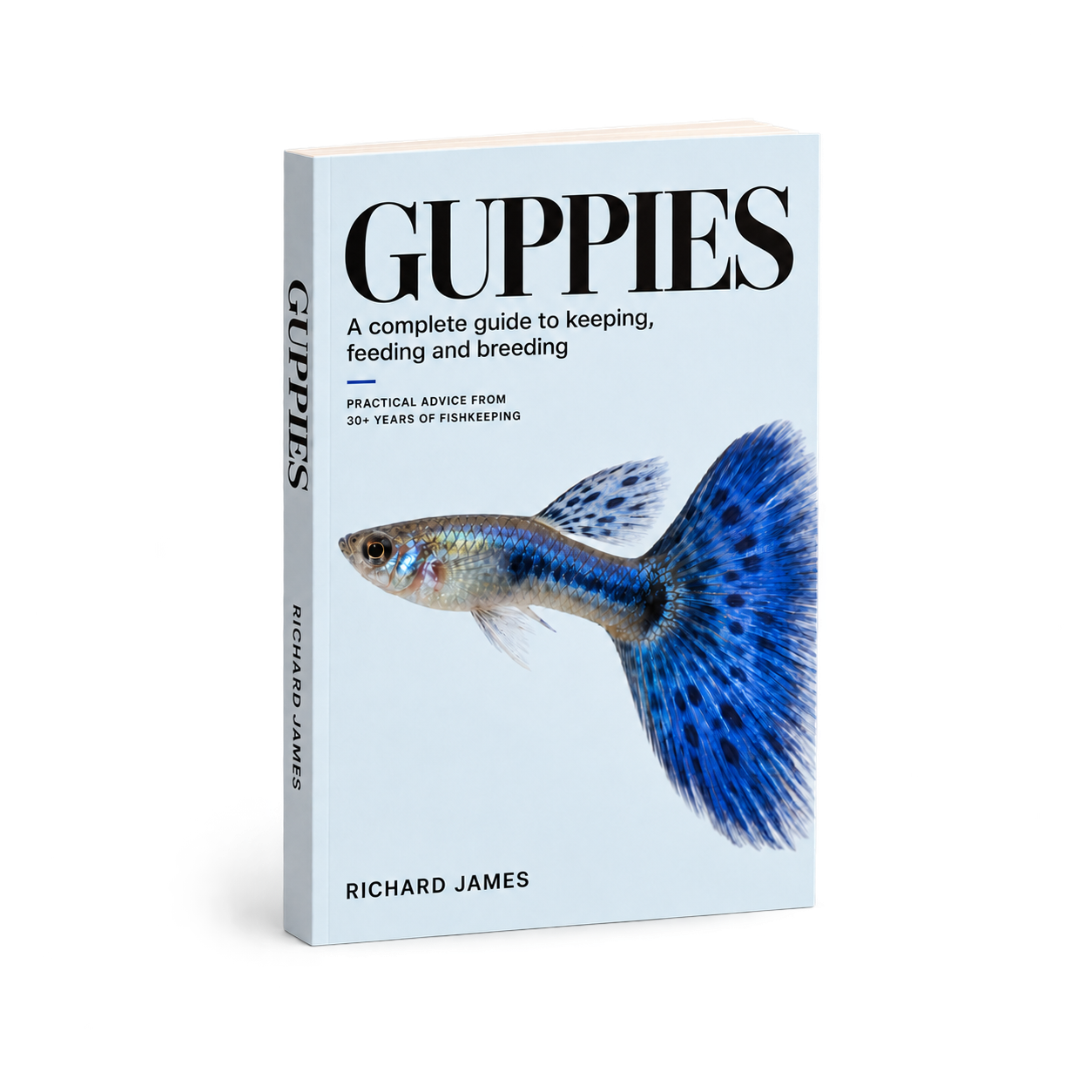
For longer-term care, Guppies explains how the aquarium's moving parts fit together. It is a reference for building understanding, not a replacement for urgent help when a fish is struggling.